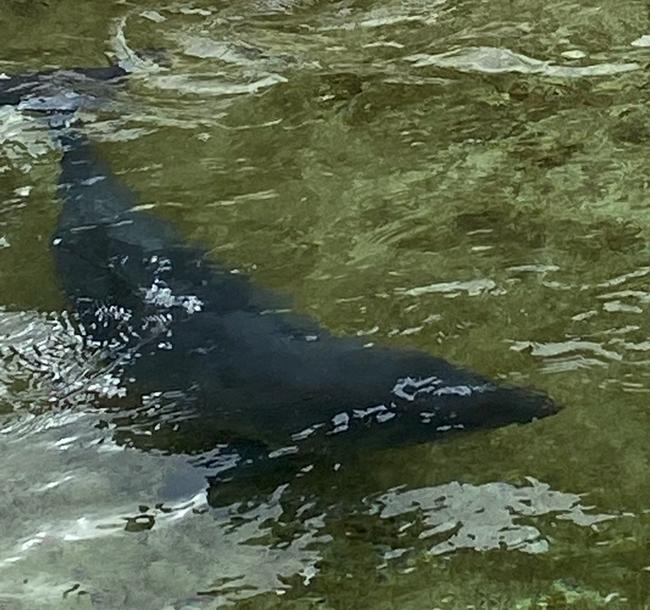
Harbor Porpoise (Phocoena phocoena)
Harbor Porpoise (Phocoena phocoena) - Bruinvis
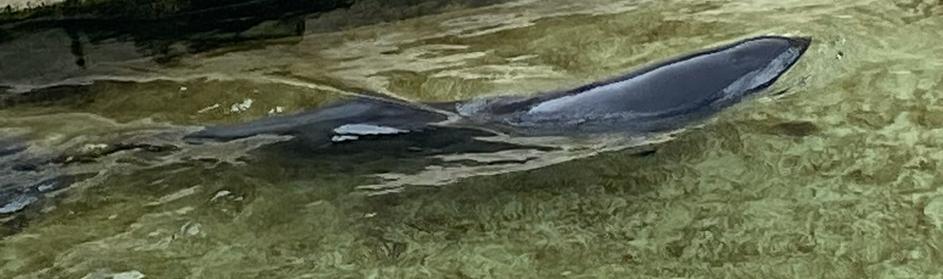
- Taxonomy: The Harbor Porpoise belongs to the Phocoenidae family, related to dolphins and whales.
- Size: Small and stocky, typically 1.4–1.9 meters long and weighing 45–70 kg.
- Habitat: Found in coastal waters of the Northern Hemisphere, favoring colder regions.
- Diet: Carnivorous, feeding on fish like herring and cod, as well as squid and crustaceans.
- Social Behavior: Usually seen in small groups of two to five.
- Reproduction: Females give birth to a single calf after an 11-month pregnancy, typically in spring or summer.
- Conservation Status: Threatened by bycatch, pollution, and habitat degradation.
The Quiet Resident of the Ocean
The Harbor Porpoise (Phocoena phocoena), known as “bruinvis” in Dutch, is a small but remarkable marine mammal. Unlike its lively dolphin relatives, the harbor porpoise is shy and avoids boats. Despite its modest size, it plays a vital role in maintaining the balance of marine ecosystems.
What is a Harbor Porpoise?
Harbor porpoises are compact cetaceans with dark gray backs, lighter sides, and a white underbelly. Their rounded heads and lack of a beak set them apart from dolphins. With their small dorsal fins, they glide through coastal waters with surprising agility.
These porpoises prefer cooler seas and are often found in shallow coastal areas. From the North Atlantic to the North Pacific, they thrive near estuaries, bays, and fjords.
A Day in the Life
Harbor porpoises are quiet creatures, often spending their time hunting fish like herring and mackerel. Using echolocation, they navigate murky waters and detect prey. They are active hunters, consuming up to 10% of their body weight daily to fuel their high metabolism.
Unlike dolphins, harbor porpoises are not acrobatic. They rarely leap out of the water, making them harder to spot. Their small groups, or pods, typically include a mother and her calf or a few adults.
Threats to Survival
Harbor porpoises face numerous challenges. Bycatch in fishing gear is a leading cause of death, as they often get trapped in gillnets. Pollution from chemicals and noise disrupts their habitat and health. Loss of prey due to overfishing further threatens their survival.
Many conservation efforts focus on reducing bycatch and protecting critical habitats. Countries bordering their habitats are working to improve fishing practices to safeguard these gentle creatures.
Why Protect Harbor Porpoises?
Harbor porpoises help regulate fish populations, maintaining a balanced marine ecosystem. Their presence is an indicator of healthy seas. Protecting them ensures the well-being of the oceans they inhabit.
Conclusion
The Harbor Porpoise may be small and elusive, but its role in the marine environment is significant. By understanding and protecting these creatures, we contribute to the health of our oceans. Next time you see calm waters, remember the quiet life swimming beneath the surface.