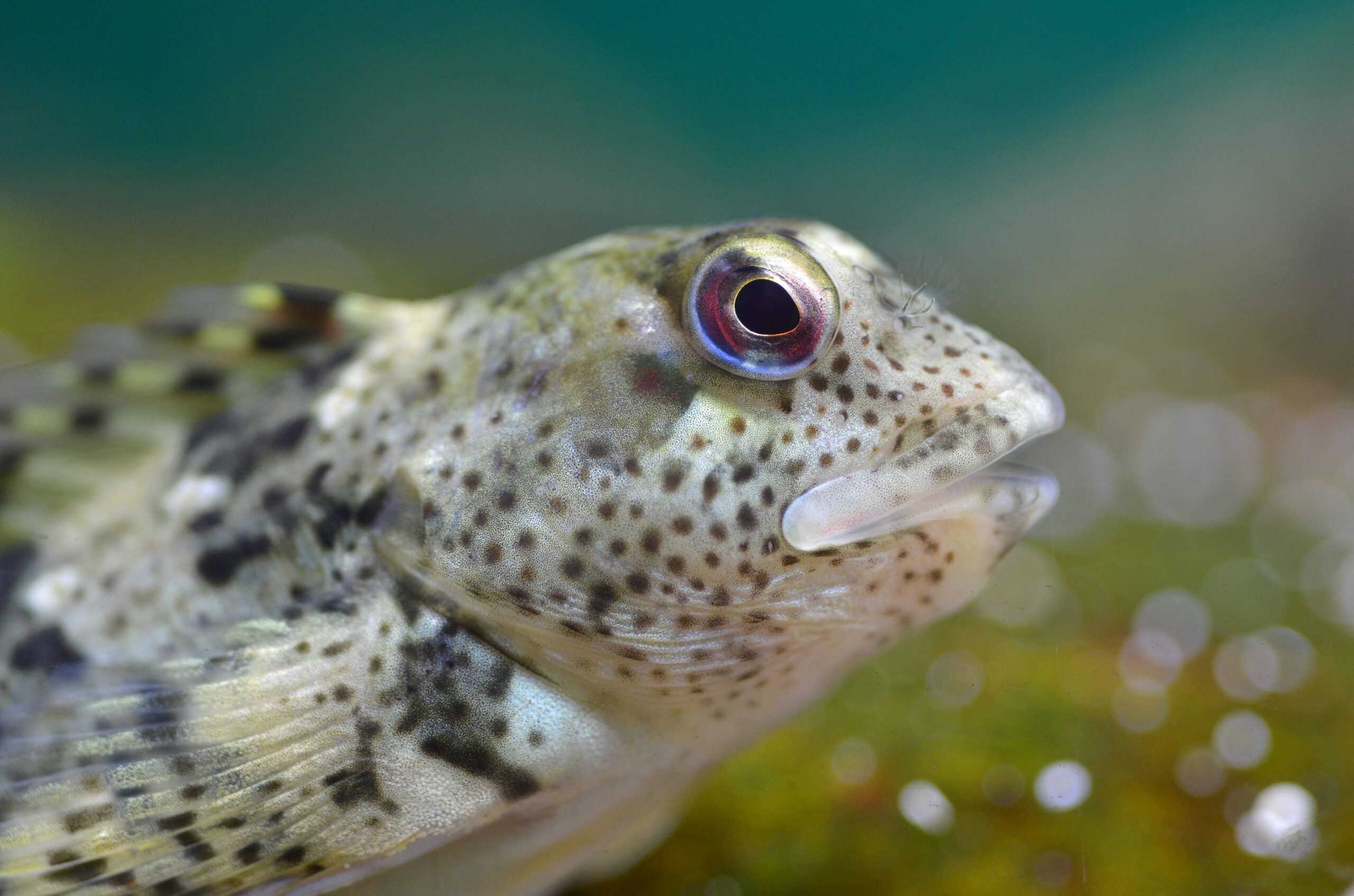
Shanny (Lipophrys pholis) – Steenslijmvis
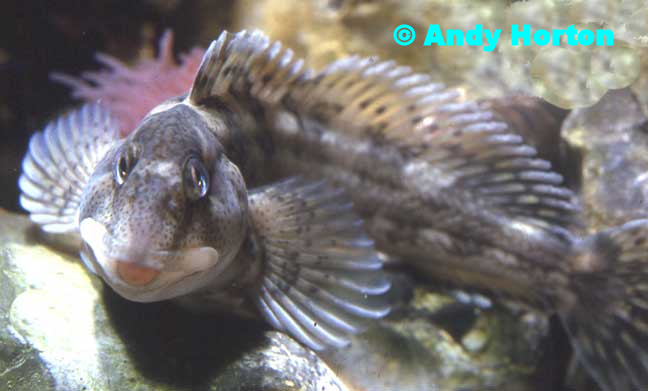
Shanny (Lipophrys pholis) - Steenslijmvis
- Taxonomy: Shanny belong to the Blenniidae family, related to other blennies.
- Species Diversity: There are several species of Shanny, each with unique adaptations and appearances.
- Habitat: Found in shallow coastal waters, often in rocky or weedy areas where they can hide and hunt.
- Diet: Primarily feed on small invertebrates and algae.
- Conservation: Generally not considered endangered, but habitat destruction and pollution can impact their populations.
- Lifespan: Varies by species, but generally they live a few years in the wild.
Shanny: Tiny Wonders of the Sea
When you think of fish, you might imagine large, majestic creatures swimming through the ocean, like sharks or dolphins. But the sea is also full of small, fascinating creatures that often go unnoticed. One of these hidden treasures is the Shanny. Though they may be small, these unassuming fish have a world of interesting facts and behaviors behind them.
What is a Shanny?
The shanny belongs to the Blenniidae family, commonly known as blennies. These fish are typically found in shallow coastal waters, where they hide among rocks, coral reefs, or seaweed. With their elongated, slender bodies and small fins, they are perfectly adapted to life in these tight spaces.
Although they don’t always stand out because of their size—most species are only a few centimeters long—some shannies have colorful and striking appearances. This makes them popular in marine aquariums, where their lively behavior and interesting colors often steal the show.
A Day in the Life of a Shanny Shanny (Lipophrys pholis) – Steenslijmvis
What makes shannies so interesting is their behavior. These little fish are incredibly curious and often quite territorial. They fiercely protect their spot and won’t hesitate to chase away intruders. Despite their size, they are brave defenders of their home.
Another fascinating aspect of their behavior is that they sometimes jump out of the water to move from place to place, especially if they feel threatened. This behavior, known as “climbing,” is quite rare among fish, but shannies have no trouble leaving the water briefly if it helps them survive.
Reproduction: A Family Affair
Shanny reproduction is also worth mentioning. In many species, the female lays her eggs in a well-hidden spot, such as a shell or a small crevice in a rock. What makes these fish special is that the male often plays an active role in caring for the eggs. After fertilization, the male guards the nest, fans the eggs with his fins to ensure they receive enough oxygen, and protects them from potential threats.
The male stays with the eggs until they hatch, which is not always common in the fish world. This shows that, despite their small size, shannies are quite dedicated when it comes to raising their offspring.
An Important Role in the Ecosystem
Shannies also play a vital role in their ecosystems. They help keep coral reefs clean by feeding on algae, which can otherwise overgrow and suffocate the coral. Additionally, some species eat parasites off other fish, helping to maintain a healthy and balanced environment.
Conclusion
The shanny may be small, but this fish has a big personality and plays an important role in its natural environment. Whether you encounter them in the wild or in an aquarium, these tiny wonders of the sea are sure to fascinate you with their behavior and stunning appearance. So the next time you look out at the sea, don’t forget to pause and appreciate these humble yet captivating creatures.