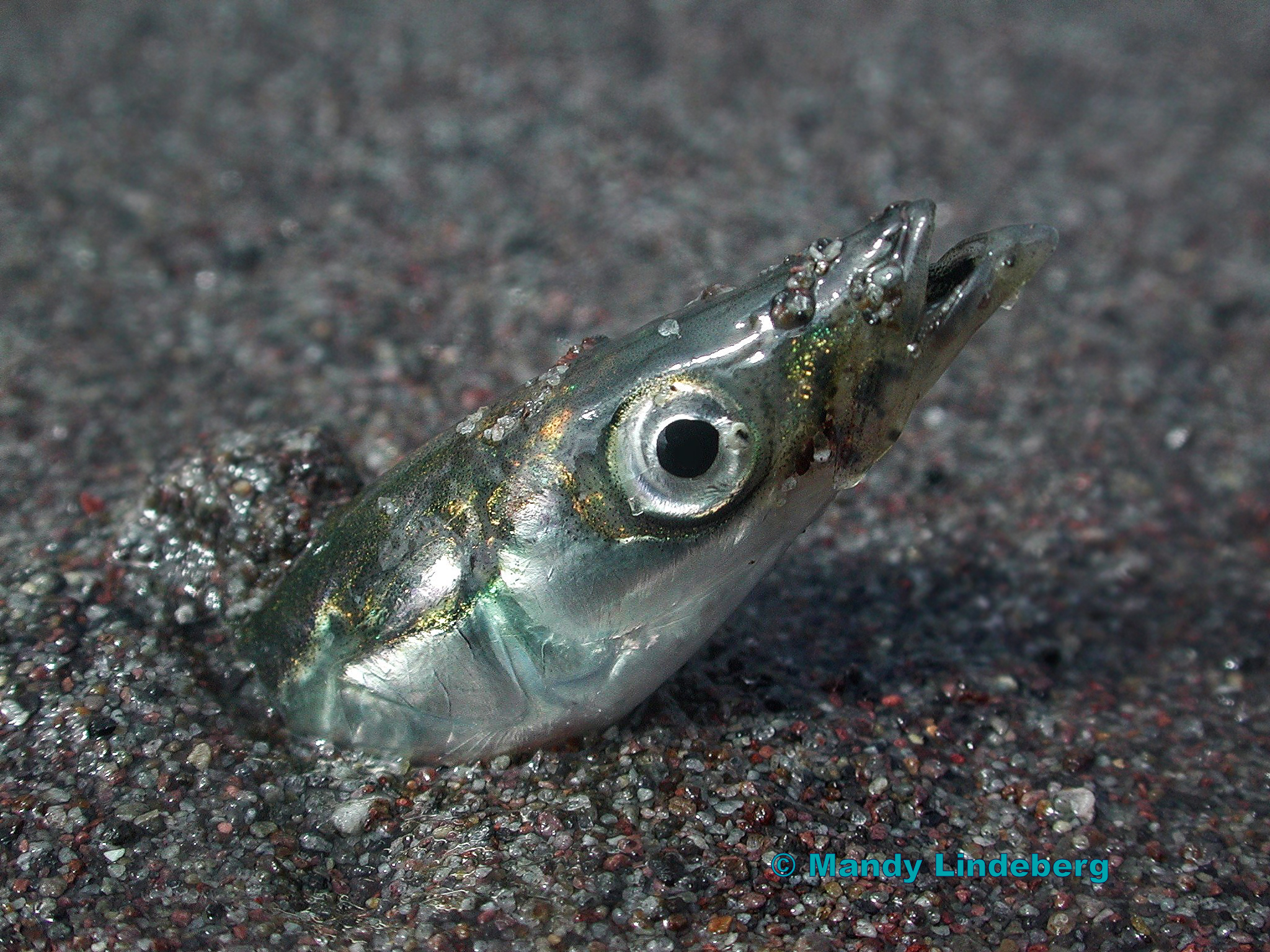
Sand eels (Ammodytes tobianus)
Sand eels (Ammodytes tobianus) - Zandspiering
- Taxonomy: The Sand eel belongs to the Ammodytidae family, known for their elongated bodies and burrowing behavior.
- Species: There are around five recognized species of Sand eels, with Ammodytes tobianus being the most common in Europe.
- Reproduction: Females lay thousands of eggs in shallow waters, which are fertilized externally. Larvae float in open water before settling on the seabed.
- Habitat: Found in sandy and coastal areas, often burrowing into the seabed to avoid predators and conserve energy.
- Diet: Sand eels feed on plankton and small invertebrates, using their slender bodies to dart through the water to capture prey.
- Conservation: Some species face threats from overfishing and habitat loss, as they are an important food source for seabirds and larger fish.
- Unique Behavior: They burrow into sand during low tide or when they sense danger, making them less visible to predators.
- Lifespan: Typically 2 to 4 years, depending on environmental conditions and predation.
Sand eels: The Hidden Movers of the Sea
When you think of ocean life. Sand eels might not be the first species that comes to mind. Yet, these small, slim fish play a vital role in the marine food web, supporting larger predators and maintaining balance in their ecosystems.
What is a Sand eel?
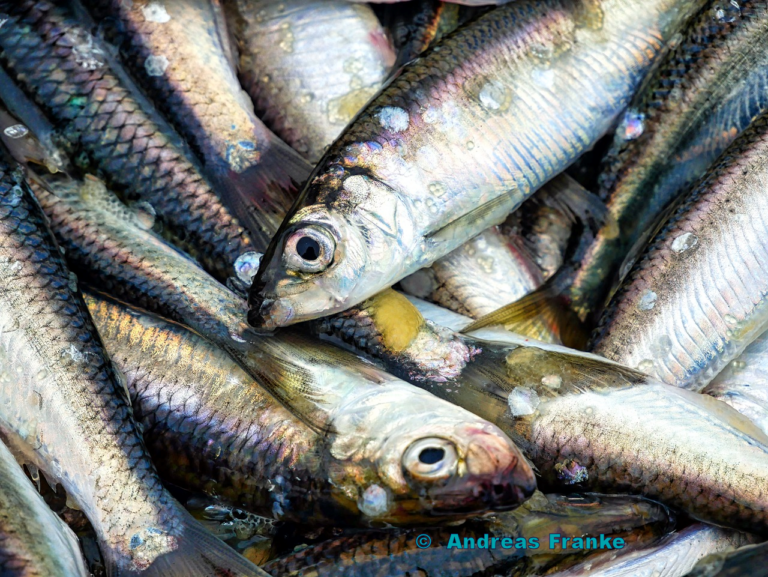
Sand eels, particularly the species Ammodytes tobianus, are small, elongated fish that are commonly found in the North Atlantic and European waters. They thrive in sandy environments, often disappearing into the seabed, hence their name. Their slender bodies allow them to move quickly through water and sand alike, helping them both hunt and avoid becoming prey.
A Life in the Sand eel
Sand eels are unique in how they interact with their environment. During the day, they actively swim to catch plankton, but when night falls or danger approaches, they burrow into the sand. This burrowing behavior not only helps them avoid predators like seabirds and larger fish but also aids in energy conservation.
These fascinating creatures also play an essential role in the ocean’s ecosystem. As prey for many marine species, including cod, seals, and seabirds, Sand eels are a keystone species that supports the survival of these larger animals. Their burrowing behavior also helps aerate the sand, benefiting other species that live in sandy habitats.
Reproduction: Thousands of New Lives
Sand eels reproduce by laying thousands of eggs in shallow waters. These eggs are fertilized externally and hatch into larvae that drift with ocean currents. As the larvae grow, they settle into sandy areas where they continue their life cycle.
Ecological Importance: A Link in the Food Chain
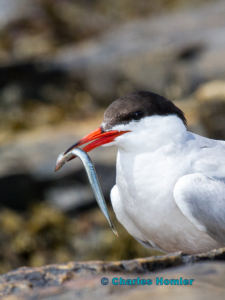
Sand eels might be small, but their ecological importance is immense. By keeping plankton populations in check, they help maintain the balance in marine ecosystems. Furthermore, they provide a crucial food source for various fish and seabirds, such as puffins and terns.
However, overfishing and habitat degradation pose significant threats to Sand eel populations. Their decline could have a ripple effect on the wider ecosystem, as many marine species depend on them for survival.
Conclusion
Sand eels are more than just small fish living in the sand—they are key players in the marine food web. By supporting the survival of larger species and maintaining the health of their habitats, these little-known fish deserve recognition and protection.