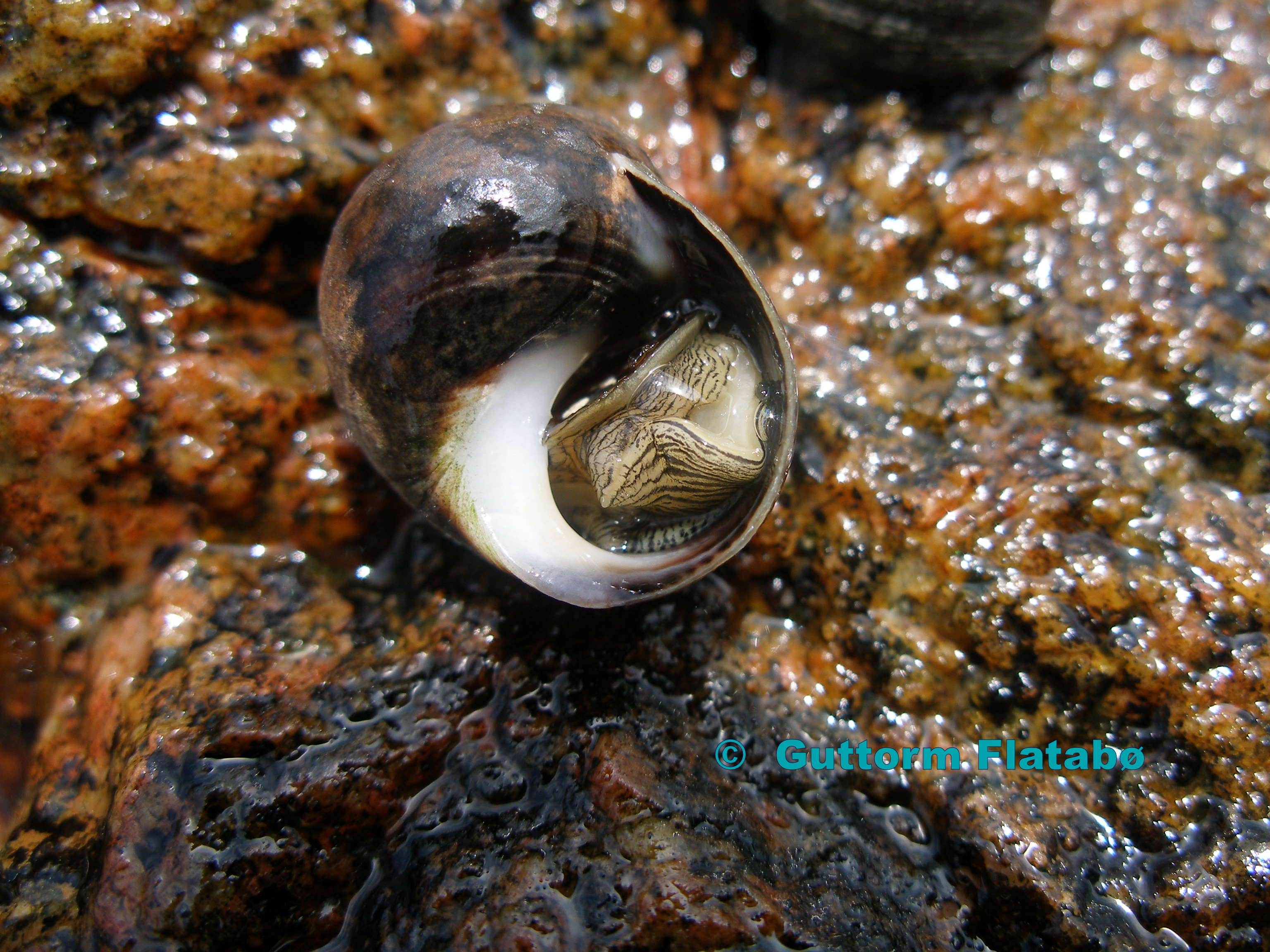
Periwinkle – Littorina littorea
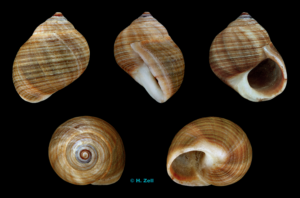
Periwinkle (Littorina littorea) - Alikruik
- Taxonomy: The Periwinkle belongs to the Littorinidae family, known as sea snails. These small mollusks are well-adapted to tidal environments and are found in various parts of the world.
- Species: Littorina littorea is the most common species, but there are others, each with slightly different features and habitats.
- Reproduction: Periwinkles reproduce by laying eggs, which hatch into larvae. These larvae develop in the water until they settle into their adult form.
- Habitat: They thrive in intertidal zones, particularly on rocky shores, salt marshes, and sometimes sandy beaches, adapting to both exposed and sheltered areas.
- Diet: Herbivores, Periwinkles graze on algae and diatoms, playing a role in controlling algae growth in marine ecosystems.
- Conservation: Though generally abundant, pollution and habitat disruption can affect their populations. They contribute to marine biodiversity and require clean habitats to thrive.
- Unique Anatomy: Periwinkles have a tough shell for protection and a muscular foot to cling to rocks, even in strong waves.
- Lifespan: Periwinkles can live up to 5 years in the wild, with their shells thickening over time to increase durability.
Periwinkles: Small Guardians of Coastal Waters
When imagining sea life, we often think of large fish, vibrant coral reefs, and fascinating marine mammals. But small creatures, like the Periwinkle, also play a vital role in maintaining balance in coastal ecosystems.
What is a Periwinkle?
Periwinkles are marine snails found on rocky coastlines. Their shells, often spiraled and smooth, help them cling to surfaces in intertidal zones. Adapted to changing tides, they close their shells tightly during low tide to prevent dehydration.
Life on the Rocky Shore
Periwinkles face a challenging life in the intertidal zone, where waves and predators constantly threaten them. Their tough shells protect them, while their muscular foot allows them to cling to rocks and withstand strong currents. Periwinkles are essential in managing algae growth, as they graze on algae that might otherwise overgrow and disrupt the ecosystem.
Unique Reproductive Traits
In spring, female Periwinkles lay eggs in shallow water. These eggs hatch into tiny larvae, which float in the water for a short time before settling on the shore. This early journey is crucial as it disperses young Periwinkles along the coast, helping them find new habitats.
Ecological Importance of Periwinkles
Periwinkles help maintain healthy coastlines by keeping algae in check. By grazing on algae and small plants, they promote a balanced ecosystem. This is especially important for other marine animals that depend on these habitats for food and shelter.
Conclusion
Periwinkles are small but significant. Despite their size, they play an essential role in maintaining balance along our shorelines. Next time you visit a rocky coast, look closely at the rocks; you might spot these tiny guardians working to keep the coastal ecosystem thriving.