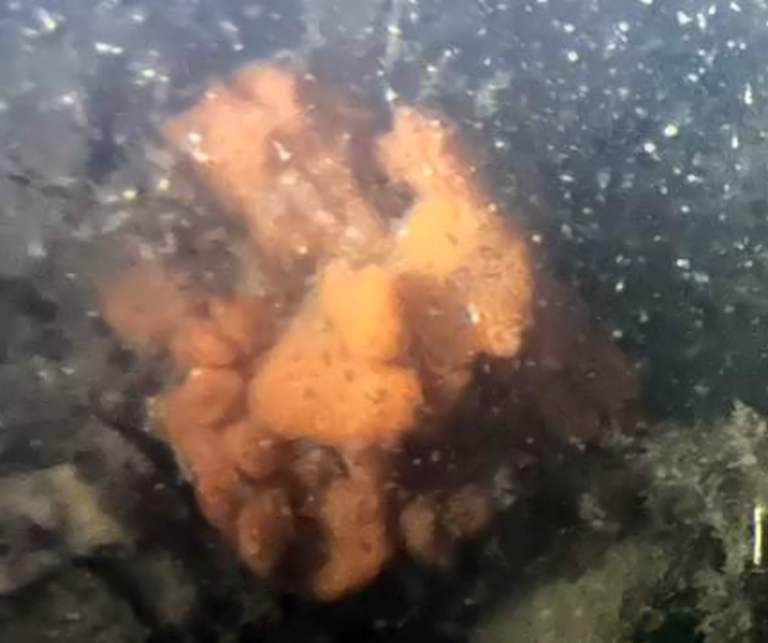
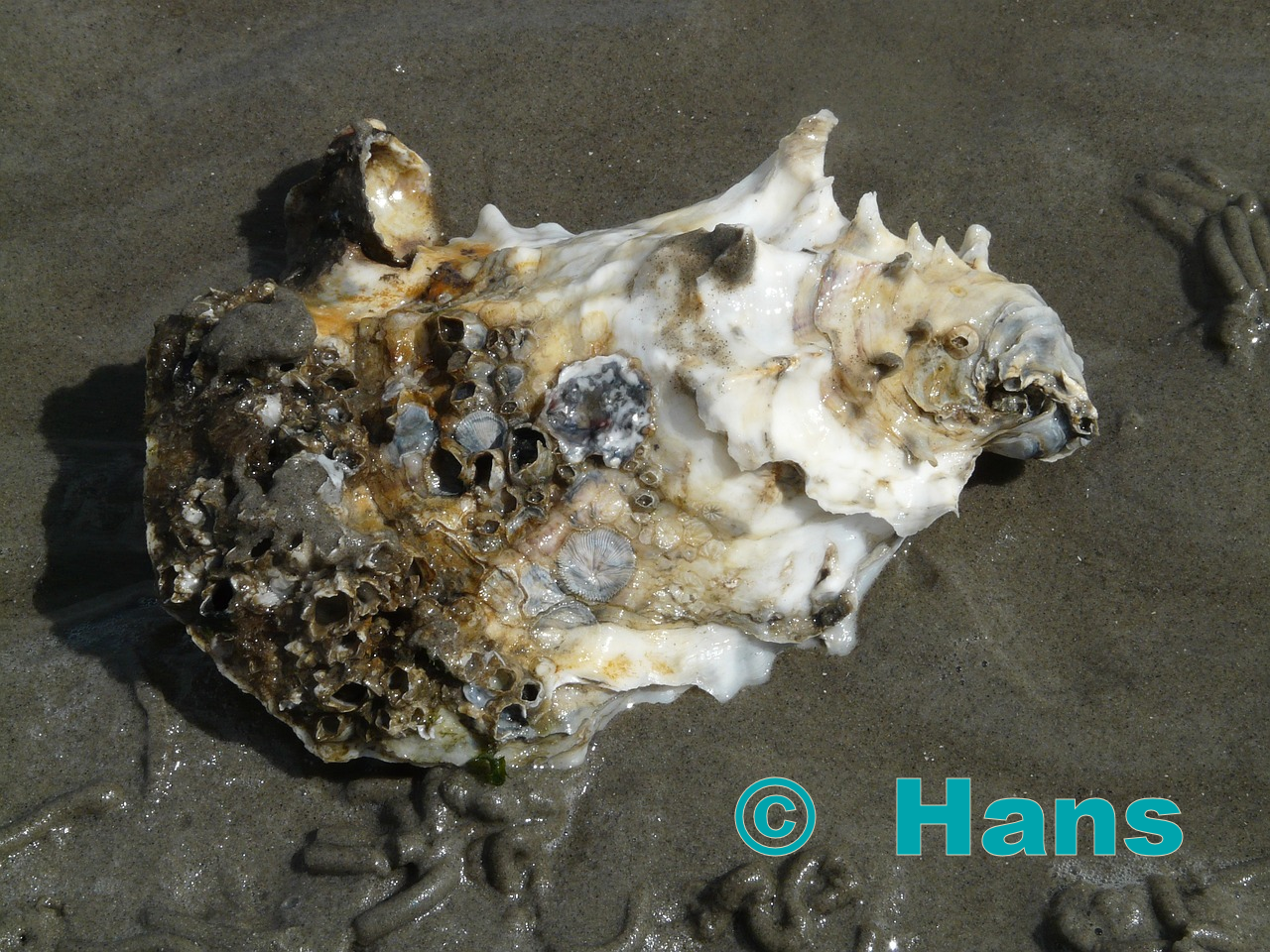
Pacific Oyster (Crassostrea gigas)
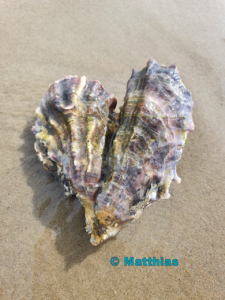
European Flat Oyster (Ostrea edulis) - Plat oester
- Taxonomy: The Pacific Oyster belongs to the Ostreidae family, known for its many edible oysters.
- Species: Found along the Pacific coast, this oyster species is known for its rapid growth and resilience.
- Reproduction: Pacific Oysters are broadcast spawners, releasing eggs and sperm into the water where fertilization occurs.
- Habitat: Commonly found in tidal zones and estuaries, they thrive in both wild and farmed settings.
- Diet: Filter feeders that consume algae and plankton, they play an essential role in water purification.
- Conservation: Generally resilient but impacted by pollution, climate change, and habitat loss.
- Unique Anatomy: Thick, rough shells vary in color from white to purple, providing camouflage against predators.
- Lifespan: They can live up to 30 years in the wild, although farmed oysters are usually harvested younger.
Pacific Oysters: Guardians of Coastal Waters
When you think of the sea, fish and coral reefs might come to mind first. Yet, oysters like the Pacific Oyster play vital roles in ocean ecosystems. These fascinating creatures are not only a valuable seafood source but also natural water purifiers.
What Is a Pacific Oyster?
Pacific Oysters, scientifically named Crassostrea gigas, are bivalve mollusks that live in shallow coastal waters. Known for their ability to thrive in diverse environments, they can grow quickly and adapt well, making them popular for farming. Pacific Oysters filter water, helping to maintain clean coastal habitats.
A Day in the Life of a Pacific Oyster
The Pacific Oyster’s life is calm but impactful. As a filter feeder, it draws in water, extracts nutrients like plankton, and expels the cleaned water. This process not only nourishes the oyster but also benefits the entire ecosystem, as each oyster can filter up to 50 gallons of water daily. They live attached to rocks or other hard surfaces, which offers them protection from tidal waves and predators.
The Pacific Oyster’s Unique Reproduction
Pacific Oysters are unusual in their reproductive cycle. They release eggs and sperm directly into the water, where fertilization occurs. This broadcast spawning results in larvae that float freely until they settle on a suitable surface. Over time, they grow their iconic shells and start their lives as stationary filter feeders.
The Pacific Oyster’s Role in Coastal Ecosystems
Although they may seem insignificant, Pacific Oysters are ecosystem guardians. By filtering water, they reduce algae and improve clarity, which helps other marine life thrive. Their presence also supports the food chain, offering a food source for fish, crabs, and other predators. As biofilters, they are valuable assets in combating pollution and maintaining healthy coastal waters.
Conclusion
The Pacific Oyster is more than a culinary delight; it is a hardworking, often-overlooked ocean dweller with a role in supporting marine ecosystems. Its unique filtering ability and adaptability make it a crucial part of healthy coastal waters. When we protect oysters, we also protect the balance and beauty of our oceans.