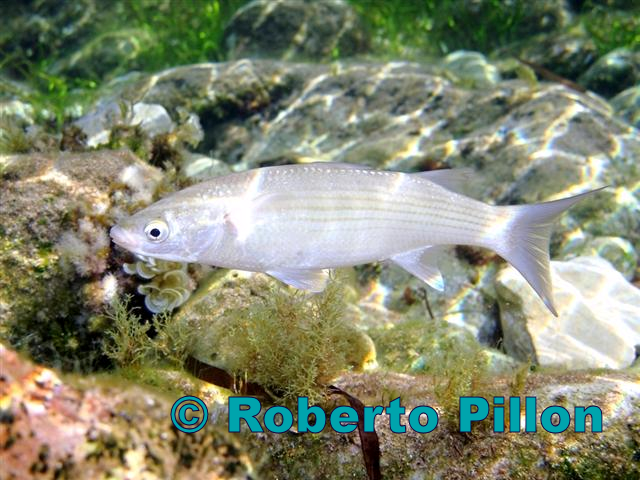
Thicklip Mullet (Chelon labrosus)
Sandeel (Ammodytes tobianus) - Zandspiering
- Taxonomy: The Thicklip Mullet, scientifically known as Chelon labrosus, belongs to the family Mugilidae. Its name comes from its characteristic thick upper lip, which is more pronounced than in other mullets.
- Species: This species is widely found along the coasts of Europe and North Africa. It’s one of the largest mullets, growing up to 60 cm in length.
- Reproduction: Thicklip Mullets spawn in the open sea during late winter and early spring. Females release their eggs into the water, where they are fertilized by males. After hatching, the young mullets migrate to coastal areas, estuaries, and lagoons to grow.
- Habitat: You can find Thicklip Mullets in coastal waters, estuaries, and lagoons. They prefer shallow, brackish waters with sandy or muddy bottoms. Around Zeeland, they often swim near piers, harbors, and estuaries where they feed.
- Diet: These fish are primarily herbivorous, feeding on algae and detritus found on the seabed. They use their thick lips to scrape food from rocks and plants. Occasionally, they consume small invertebrates, making them omnivorous.
- Conservation: Thicklip Mullets are not currently endangered, but like many marine species, they are affected by habitat degradation and pollution. Sustainable fishing practices and clean water habitats are essential to preserving their populations.
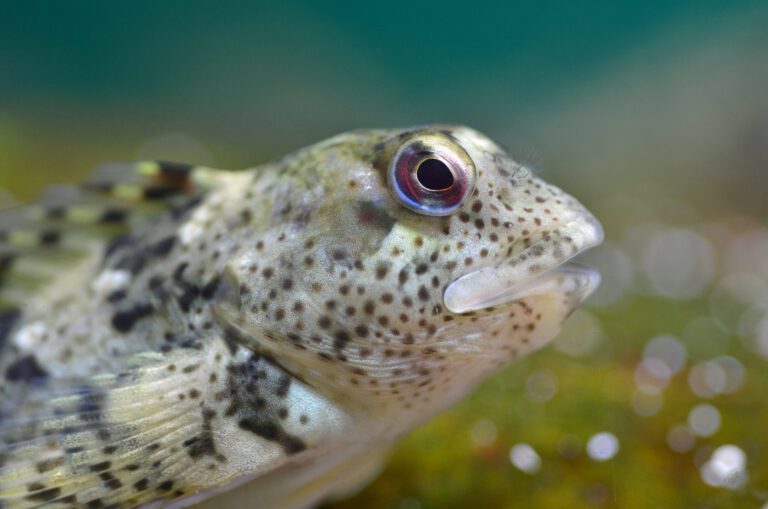
- Unique Anatomy: The most striking feature of the Thicklip Mullet is its prominent thick upper lip. It is larger and thicker than that of other mullets, giving the species its name. They have streamlined bodies, well-suited for fast swimming, and silvery scales with a bluish tinge on the back.
- Lifespan: Thicklip Mullets can live up to 15 years in the wild, depending on environmental conditions and predation.
Thicklip Mullet: A Common Sight in Zeeland
The Thicklip Mullet is a familiar species to divers and fishers alike along the Zeeland coast. Known for its agility and adaptability, this fish is an essential part of the local marine ecosystem. Whether feeding near the surface or foraging along the seabed, Thicklip Mullets play a crucial role in maintaining the balance of plant and animal life in the waters they inhabit.
Divers frequently spot these fish swimming in large schools, making for an impressive underwater scene. Their resilience in various environments, from brackish waters to the open sea, demonstrates their adaptability and importance in the ecosystem.
Role in the Ecosystem
Thicklip Mullets contribute to the health of coastal environments. By feeding on algae and detritus, they help prevent the overgrowth of these materials, which can harm other marine species. In turn, they serve as prey for larger fish and marine birds, highlighting their role in the food chain.
Conclusion
The Thicklip Mullet is more than just a common fish in Zeeland; it’s a key player in the marine ecosystem. With their unique anatomy, adaptable nature, and essential role in maintaining healthy habitats, these fish deserve recognition and protection. So, next time you’re diving in the waters of Zeeland, keep an eye out for these agile and fascinating creatures. They are a testament to the rich biodiversity found in this region.